


1. ADVANCED TECHNOLOGY FOR BETTER PATIENT OUTCOMES
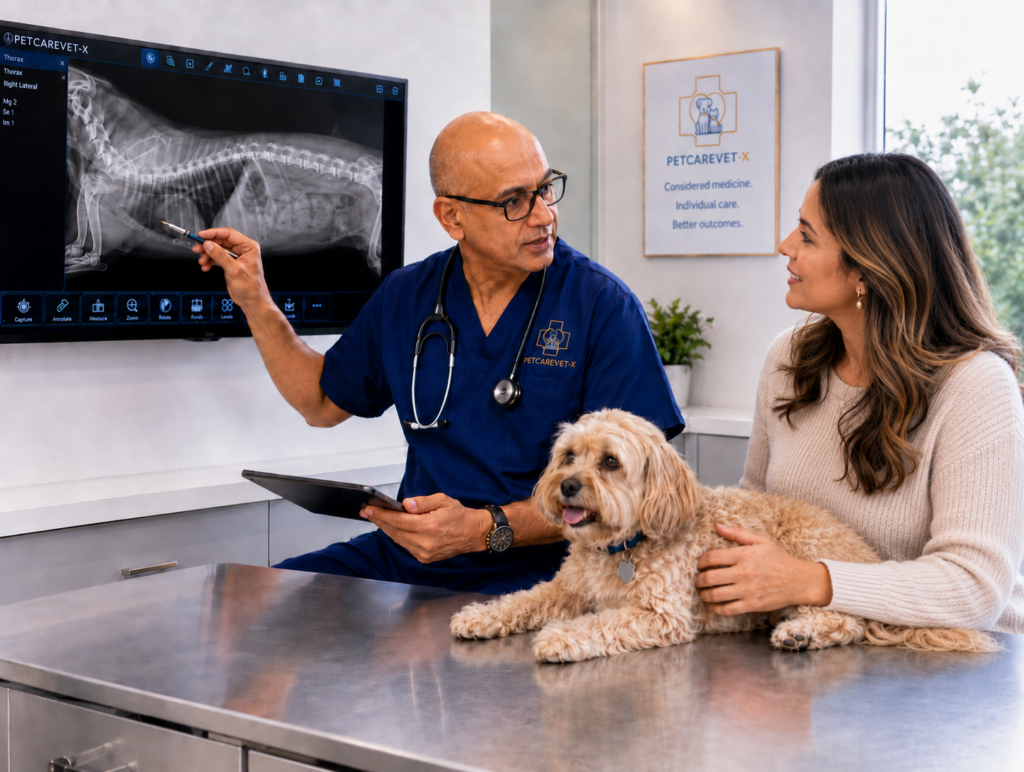
At PETCAREVET, technology is selected and integrated with one purpose in mind: to strengthen the care we provide to the individual patient.
High-quality clinical work depends not only on knowledge and experience, but also on having the equipment and materials needed to examine, investigate, diagnose, treat and monitor patients effectively.
Technology is one of the tools that helps us make better-informed clinical decisions and pursue better patient outcomes.
2. BUILT FOR A HIGH STANDARD OF CLINICAL WORK
Much of the equipment used at PETCAREVET was originally designed for human hospitals and human clinical medicine.
We have deliberately incorporated selected equipment designed for human hospital use into veterinary practice where it can strengthen our ability to assess, diagnose, treat and monitor patients.
That standard extends beyond the major equipment.
For surgery, we use German-engineered precision surgical instruments, selected to support accurate tissue handling, control and disciplined surgical technique.
The same philosophy extends to the materials used during procedures, including human medical-grade suture materials.
Together, these reflect a consistent approach:
the equipment, the instruments in the surgeon’s hand and the materials used within the patient should all be capable of supporting the standard of clinical work we expect to deliver.
3. A CONTINUING CLINICAL LIFE
Much of the equipment used at PETCAREVET has already served in human hospitals, supporting patients through diagnosis, treatment, monitoring and recovery. It now continues its clinical purpose in veterinary medicine — providing better information, greater clinical capability and additional support for diagnosis, treatment, monitoring and recovery in pursuit of better patient outcomes.
4. SOME OF THE TECHNOLOGY WE RELY ON
The equipment shown here represents only part of the technology used at PETCAREVET.
Each piece has been incorporated because it adds a particular clinical capability — helping us see more, investigate more thoroughly, monitor more closely or treat more effectively.
DIAGNOSTIC ULTRASOUND
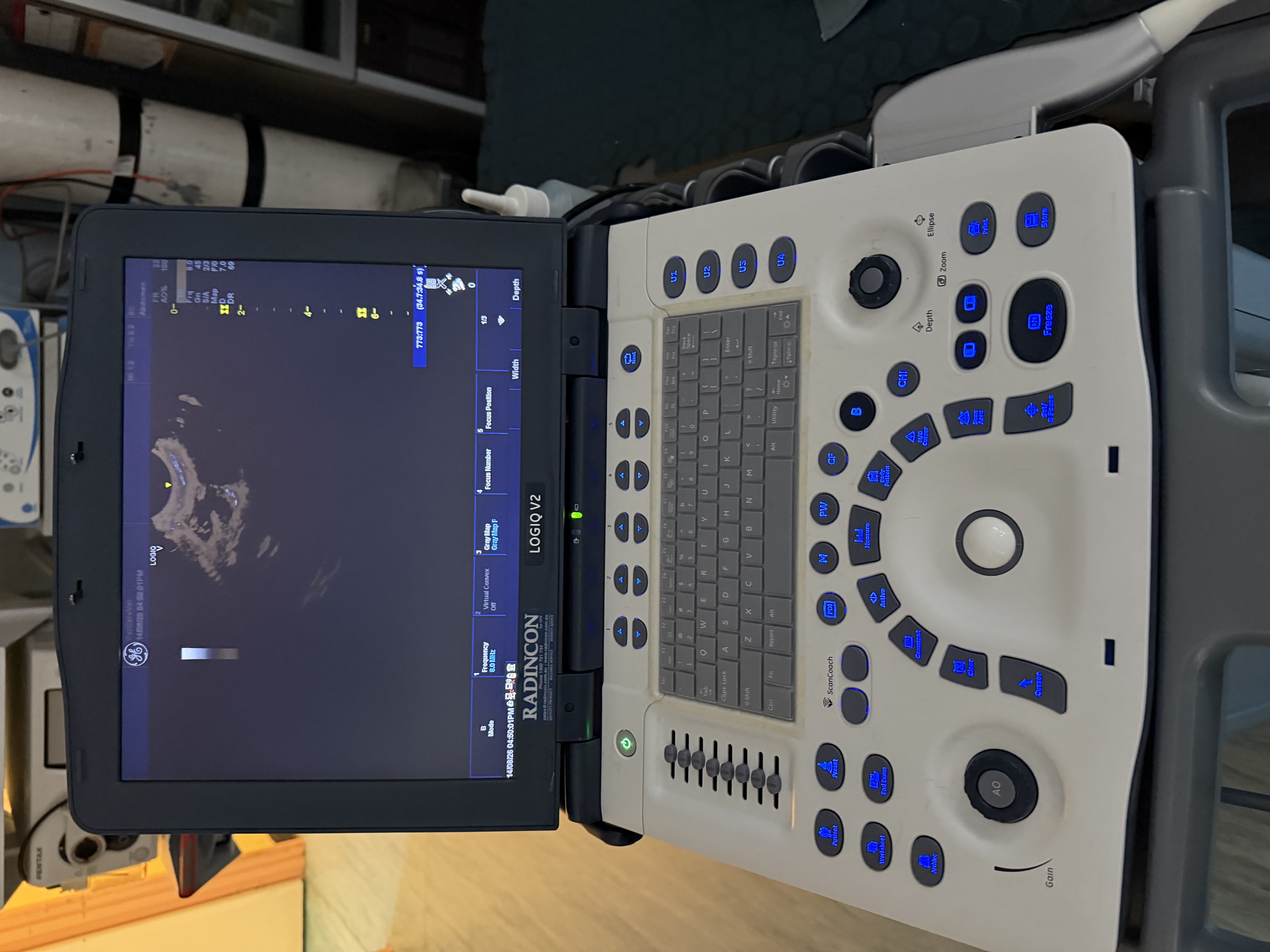
GE Ultrasound
Ultrasound provides real-time images of structures within the body, allowing us to investigate organs, soft tissues and other abnormalities that cannot be assessed adequately from physical examination alone.
It adds another layer of clinical information without exposing the patient to ionising radiation and can often be performed repeatedly as a condition is investigated or monitored.
The benefit to the patient is more information upon which to base the next clinical decision.
RADIOGRAPHY
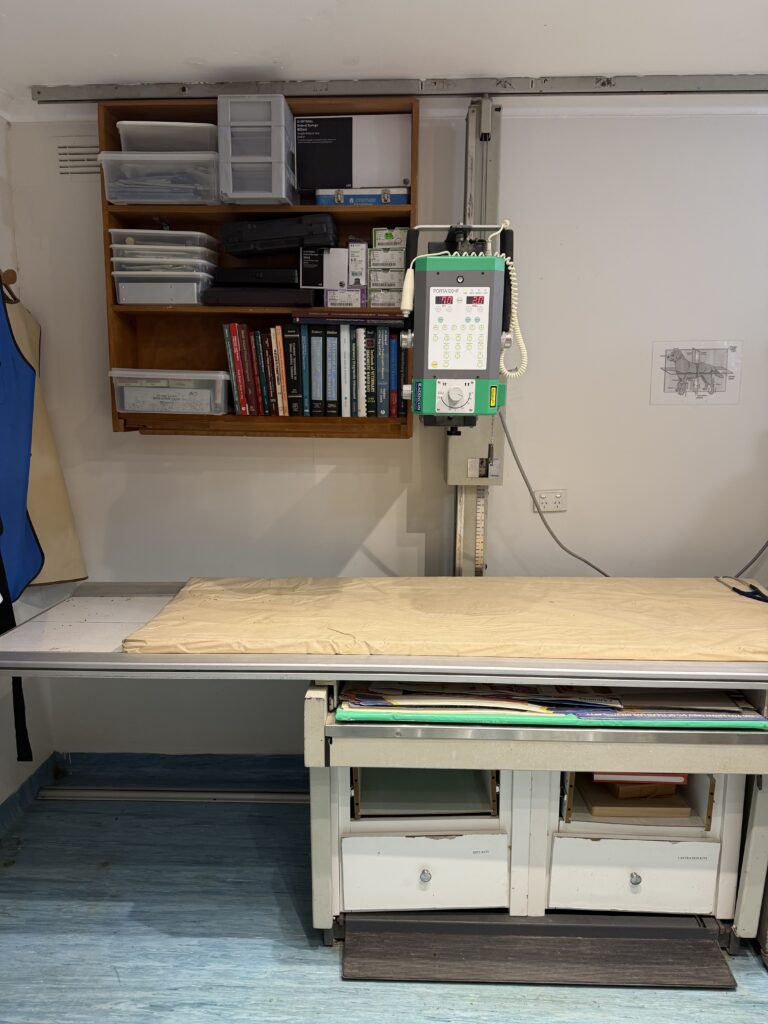
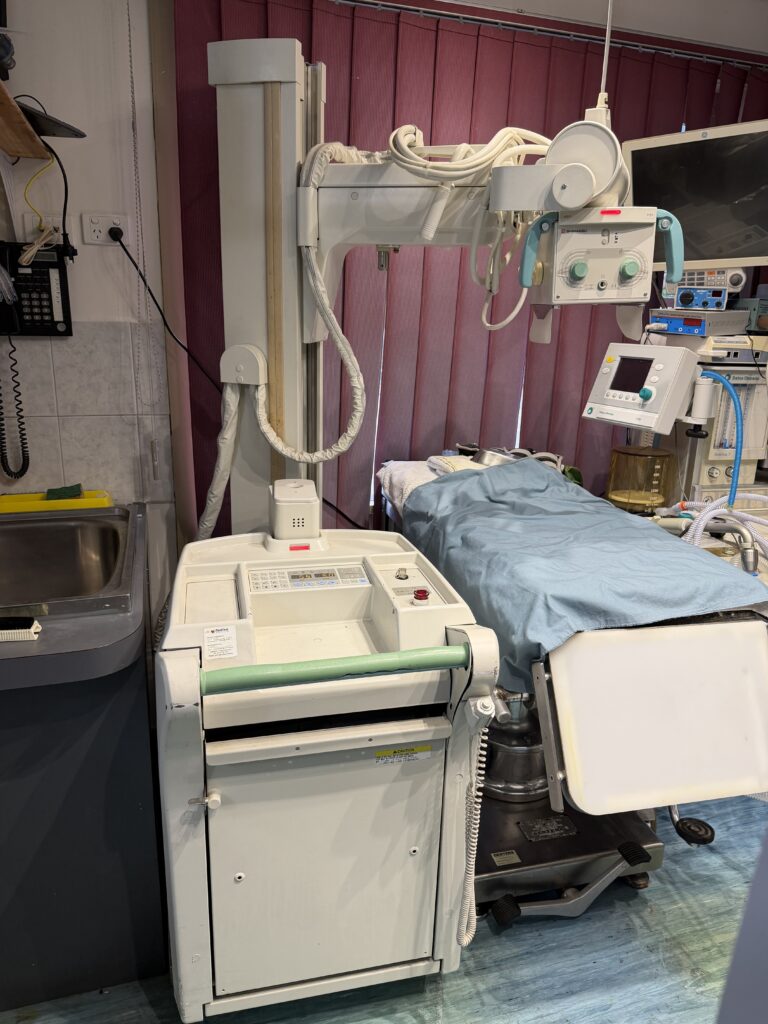
Porta Fixed Radiography
Our fixed X-ray system provides dedicated radiographic imaging for investigation of the chest, abdomen, bones, joints, spine and other structures where radiography is clinically indicated.
It allows abnormalities such as injury, changes in organ size or position, skeletal disease and other internal changes to be investigated beyond what can be determined from examination alone.
Shimadzu MobileArt Plus
Mobile radiography gives us the additional ability to bring X-ray capability to the patient when moving the patient may be undesirable or when the clinical situation makes imaging in another area more appropriate.
For an injured, painful, unstable or peri-operative patient, that flexibility can be particularly valuable.
This allows imaging to be adapted to the condition and clinical needs of the individual patient.
DENTAL RADIOGRAPHY
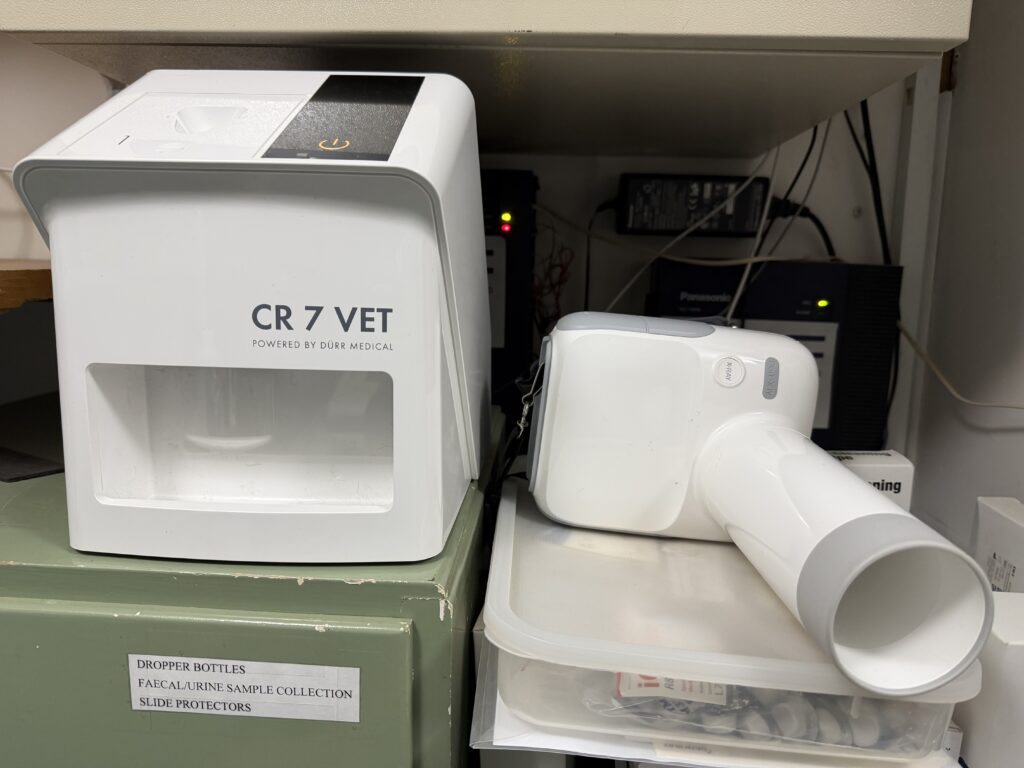
iM3 Dental X-ray Technology
Significant dental disease can lie below the gumline.
Dedicated dental radiography allows us to examine tooth roots, surrounding bone and other structures that remain hidden during visual examination.
That information can materially affect decisions about whether a tooth can be retained, requires treatment or should be extracted.
Better information below the gumline supports better-informed dental treatment — and better patient outcomes.
5. DEDICATED ANAESTHETIC CAPABILITY
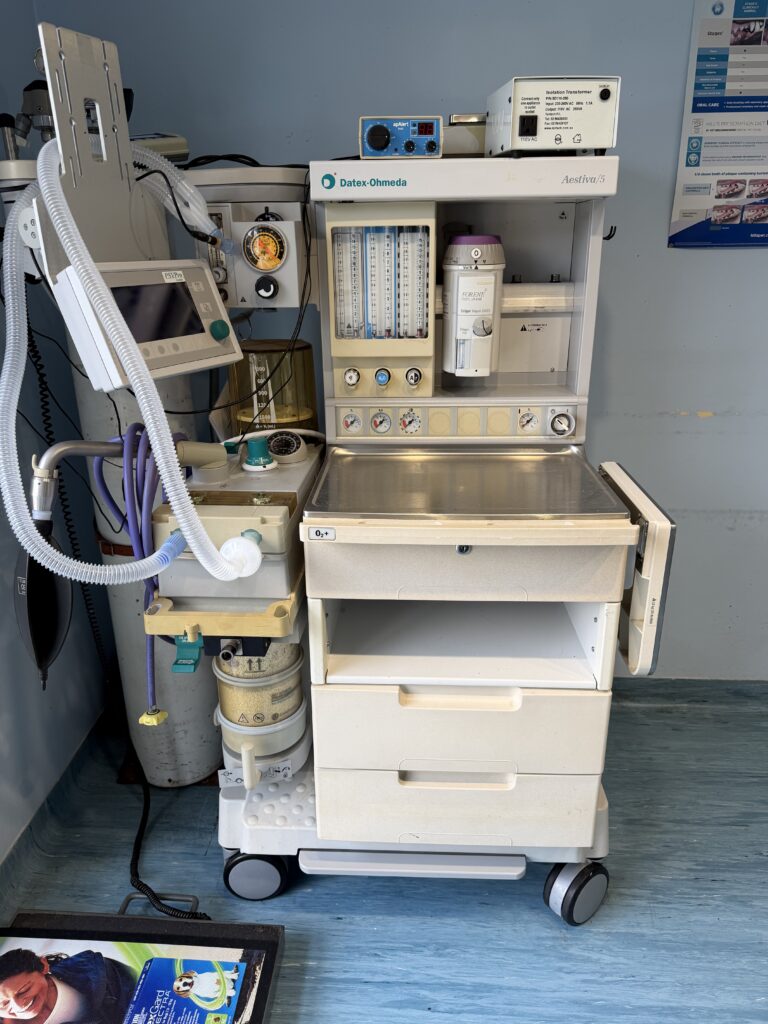
PETCAREVET has three anaesthetic machines, each dedicated to a specific clinical area:
- Theatre
- Dental
- Emergency
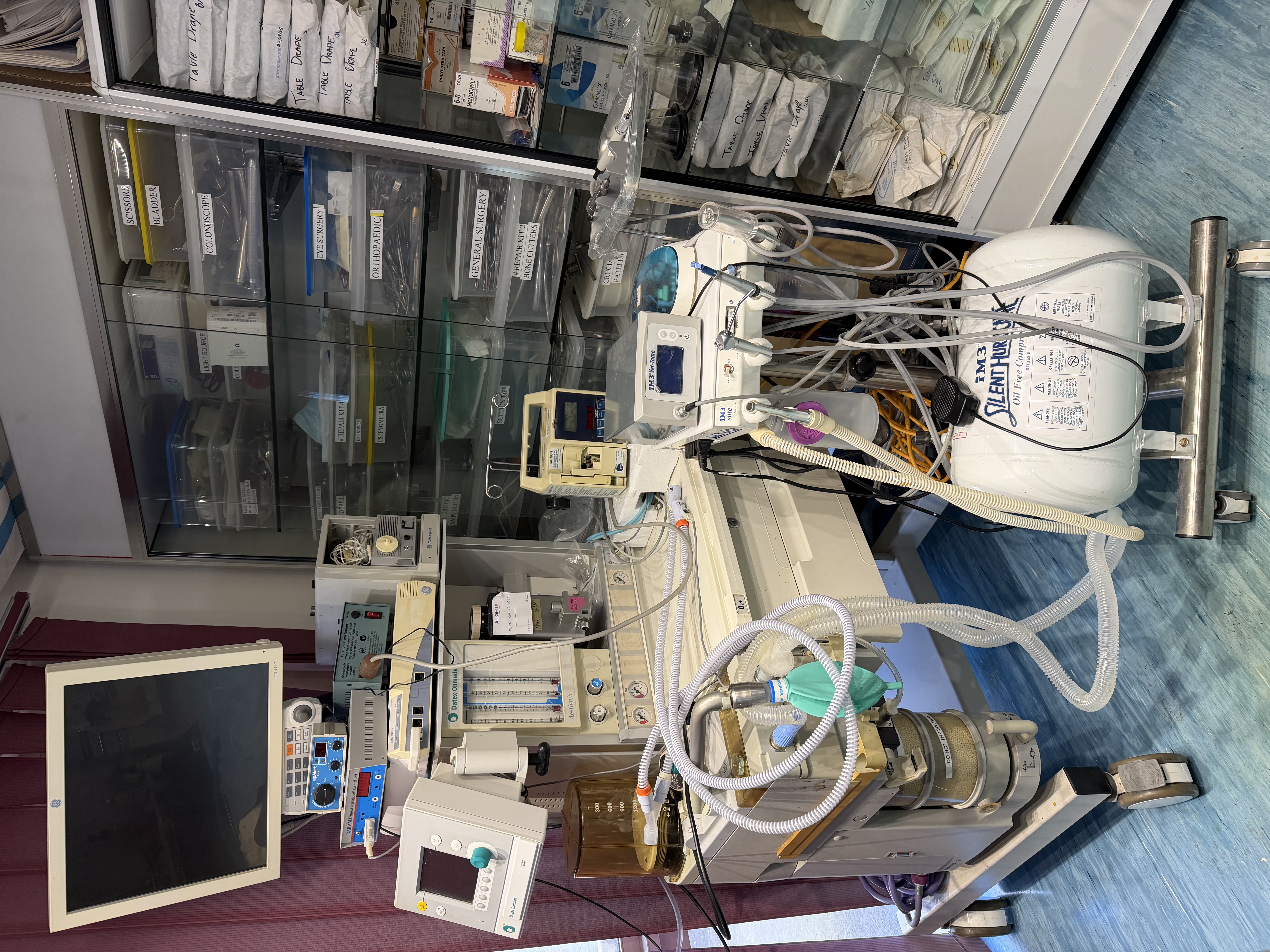
They are not shared between these functions.
This means each area retains its own anaesthetic capability and can remain prepared for the clinical work undertaken there, without depending upon equipment being transferred from another part of the practice.
For the patient, that provides greater readiness, continuity and clinical flexibility when anaesthesia is required.
The significance lies in having dedicated anaesthetic capability positioned around the needs of the patient and the clinical procedure — supporting better patient care and better patient outcomes.
6. CARDIOVASCULAR ASSESSMENT & PATIENT MONITORING
CARDIAC AUSCULTATION
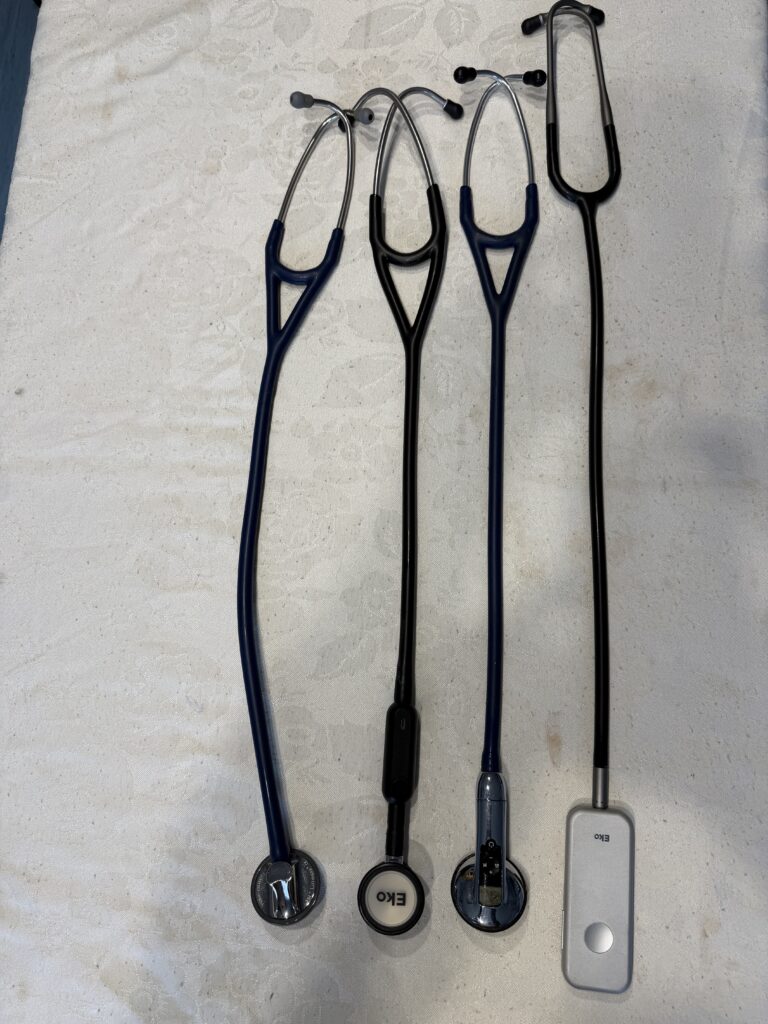
PETCAREVET uses high-quality cardiology and electronic stethoscopes as part of cardiovascular assessment.
Careful auscultation allows us to assess heart sounds and rhythm and to identify findings such as heart murmurs, abnormal rhythms and other changes that may warrant further investigation.
The stethoscope remains an important clinical instrument because it brings the veterinarian directly to the patient — allowing cardiovascular findings to be considered immediately alongside the history and physical examination.
12-LEAD ELECTROCARDIOGRAPHY
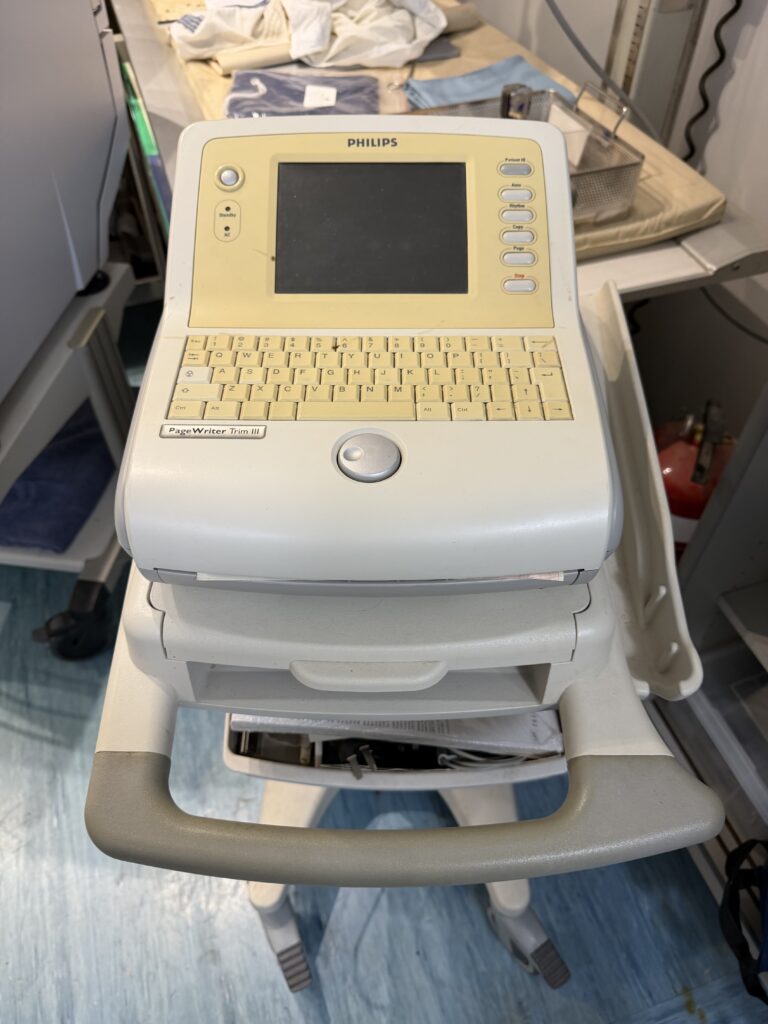
Philips PageWriter Trim III — 12-Lead ECG
Where further cardiovascular investigation is indicated, a 12-lead ECG provides detailed information about the electrical activity and rhythm of the heart.
The ECG extends the cardiovascular assessment.
Findings from the stethoscope, physical examination, clinical history and ECG can then be brought together to build a more complete cardiovascular assessment.
PATIENT MONITORING
Our monitoring capability extends through anaesthesia, procedures and recovery, allowing physiological changes to be followed as the patient’s condition evolves.
For the patient, this means a progression from:
listening → identifying → investigating → monitoring → better-informed clinical decisions.
Better cardiovascular assessment and monitoring support better patient outcomes.
ANAESTHETIC MONITORING & TEMPERATURE SUPPORT
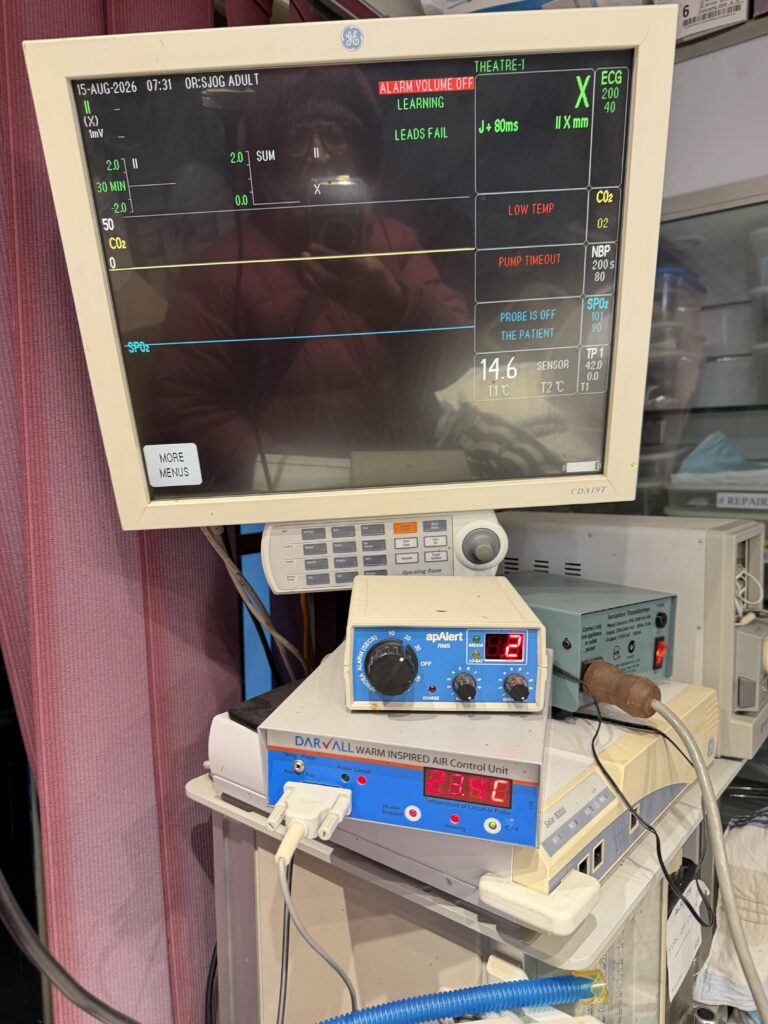
During anaesthesia, patient monitoring extends across several physiological parameters while temperature support can begin before the patient reaches recovery.
PETCAREVET-X uses multiparameter monitoring to follow functions including ECG, oxygen saturation, carbon dioxide, blood pressure and temperature where clinically indicated.
An apAlert respiratory monitor provides additional surveillance of breathing during anaesthesia.
The Darvall Warm Inspired Air system provides warmed inspired gases through the anaesthetic breathing circuit, adding another layer of temperature support while the procedure is underway.
Together, these systems allow respiration, cardiovascular function, oxygenation, ventilation and temperature to be followed while active support is provided throughout anaesthesia.
For the patient, this means closer monitoring during the procedure and a more supported transition into recovery.
7. DIRECT INTERNAL VISUALISATION — FLEXIBLE & RIGID ENDOSCOPY
Some clinical problems require direct internal visualisation.
PETCAREVET has both flexible and rigid endoscopic capability, providing different ways of directly examining internal structures where clinically indicated.
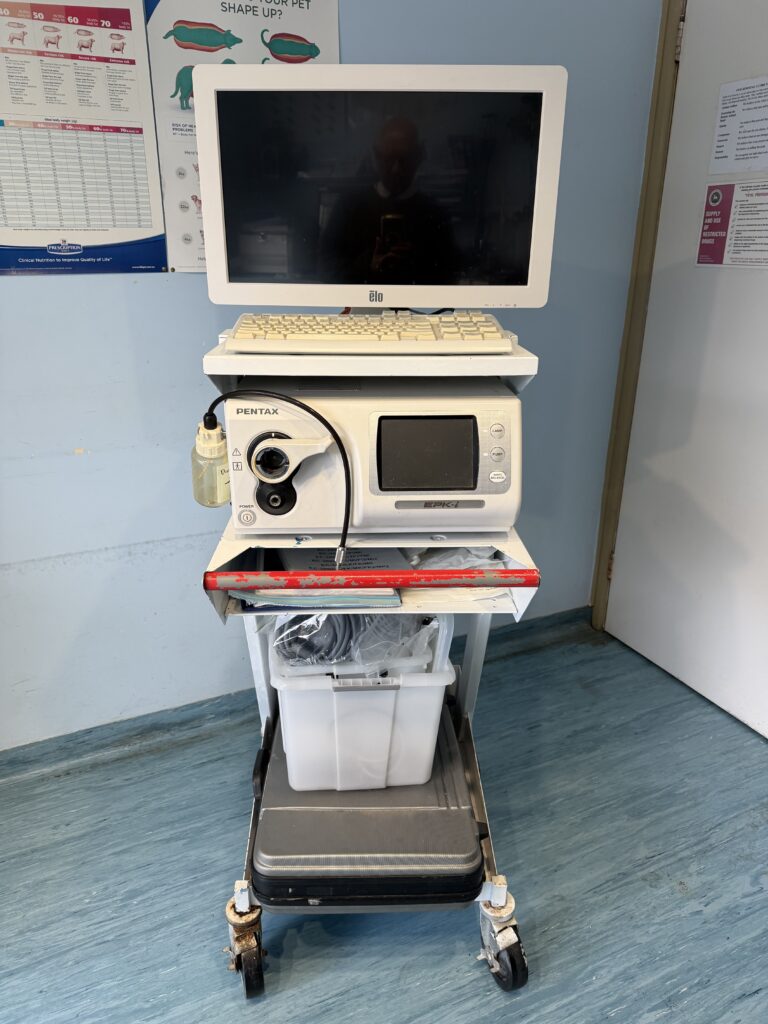
PENTAX FLEXIBLE ENDOSCOPY
The PENTAX flexible endoscope can be guided through natural passages and around anatomical curves, allowing internal structures to be examined directly.
In appropriate patients, flexible endoscopy can assist with:
- examination of the oesophagus and stomach;
- investigation of gastrointestinal abnormalities;
- identification of lesions or other internal changes;
- collection of biopsy samples;
- retrieval of selected foreign material.
In some circumstances, this can provide diagnostic information — and even permit intervention — without proceeding directly to conventional open surgery.
CONMED RIGID ENDOSCOPY
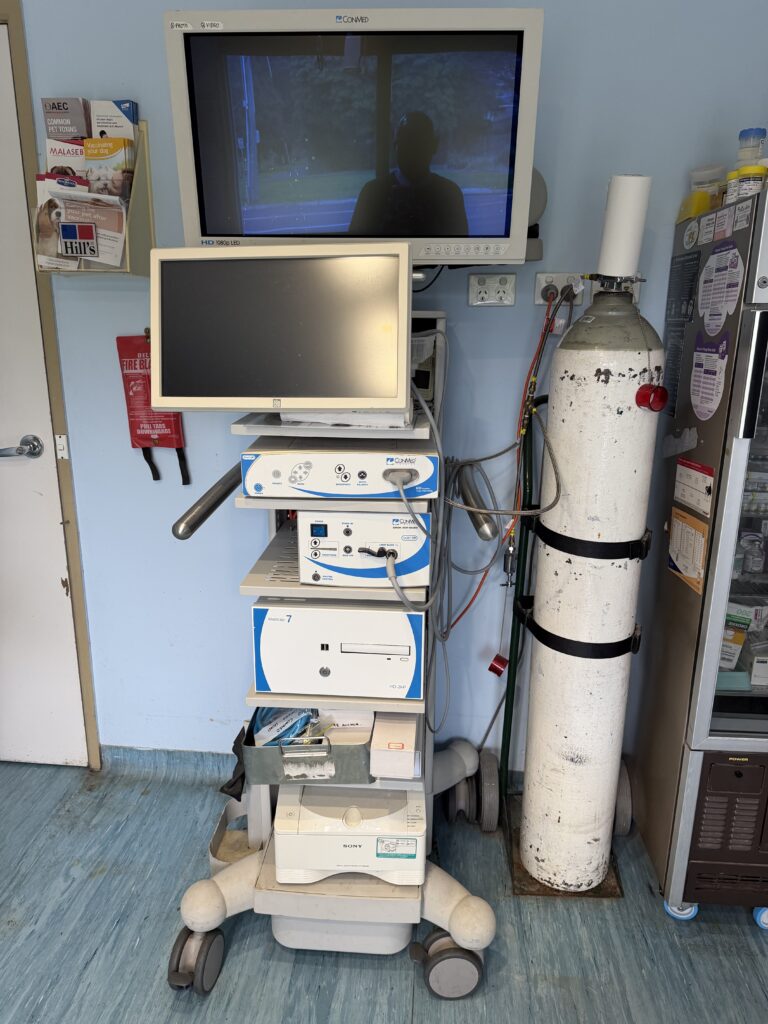
The CONMED rigid endoscopic system provides high-quality direct visualisation where a straight, controlled optical pathway is appropriate.
Rigid endoscopy can support selected minimally invasive diagnostic and surgical procedures by allowing the veterinarian to examine structures directly rather than relying solely upon indirect findings.
COMPLEMENTARY CAPABILITY
Flexible and rigid endoscopy provide complementary clinical capabilities.
They provide different routes to the same clinical objective: obtaining information from inside the patient that cannot be gained adequately from external examination alone.
For the patient, direct visualisation can mean:
more precise investigation → targeted sampling or intervention where appropriate → better-informed treatment decisions.
Seeing more can mean knowing more — and making better decisions for better patient outcomes.
8. SURGICAL TECHNOLOGY
Surgical technology at PETCAREVET is selected to support precision, control and appropriate tissue handling during procedures.
ELECTROSURGERY
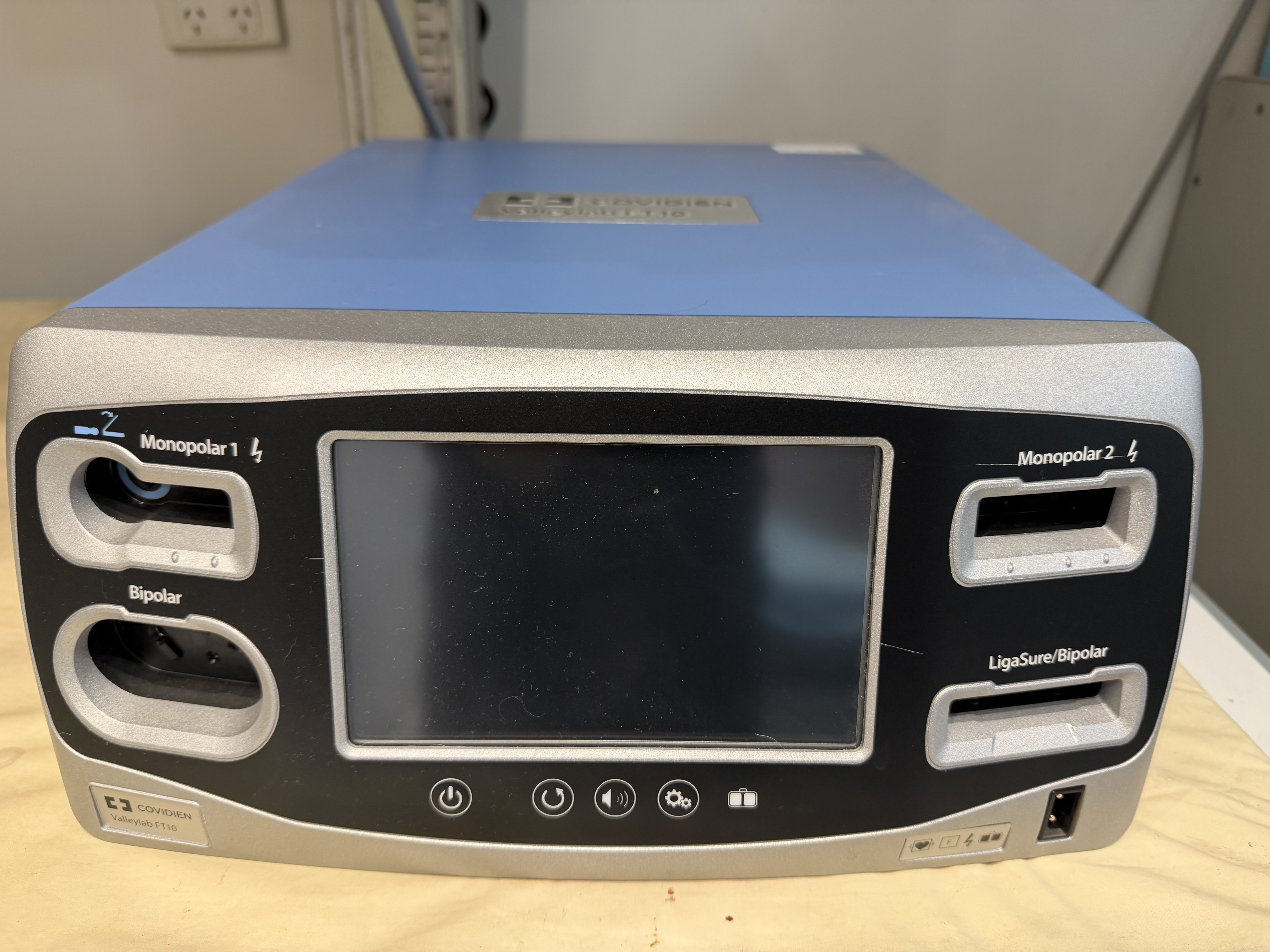
PETCAREVET uses electrosurgical equipment including the Covidien FT10, together with additional electrosurgical capability used routinely in clinical surgery.
Electrosurgery can assist with cutting, coagulation and control of bleeding during selected procedures, allowing the surgical approach to be adapted to the tissue and procedure being undertaken.
For the patient, that can mean:
- improved haemostasis;
- clearer visualisation of the surgical field;
- more controlled tissue dissection;
- reduced need for repeated mechanical manipulation of bleeding tissue.
LASER SURGERY
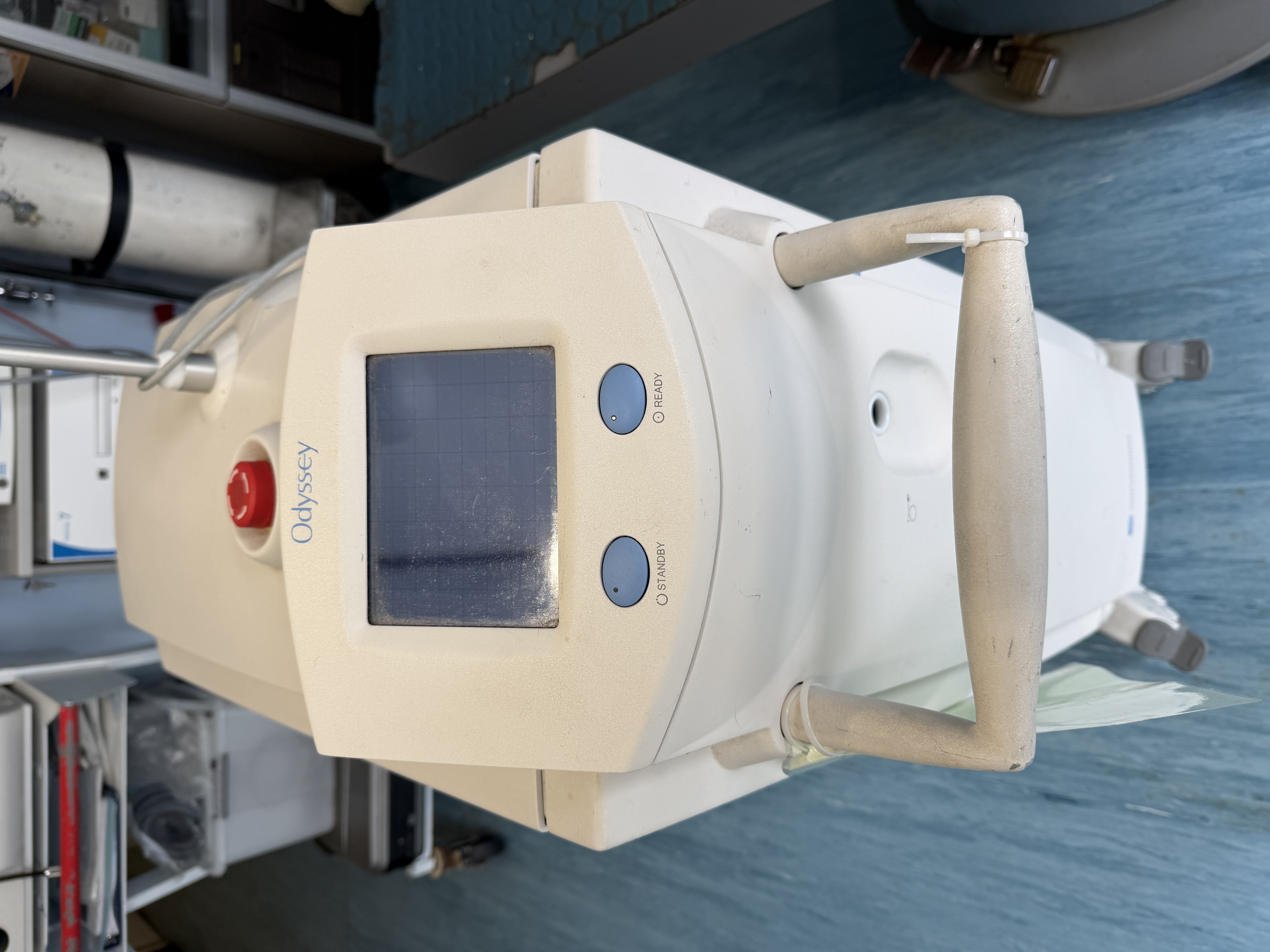
Laser surgery provides another surgical option where its properties are appropriate to the tissue, the procedure or the individual patient.
It can allow precise tissue interaction with simultaneous haemostatic effect, which may be useful in selected soft-tissue procedures and areas where controlled dissection is particularly important.
THE CLINICAL PURPOSE
Advanced surgical technology broadens the range of techniques available, allowing us to select the instrument most appropriate to the clinical problem in front of us.
For the patient, that means surgical decisions can be supported by a broader range of techniques and equipment, with the aim of achieving:
greater procedural control → appropriate tissue handling → effective haemostasis → better patient outcomes.
9. STERILISATION & PATIENT SUPPORT
Advanced clinical care extends beyond diagnosis and the procedure itself.
The systems supporting instrument preparation, patient monitoring and recovery are also part of the clinical pathway.
STERRAD NX
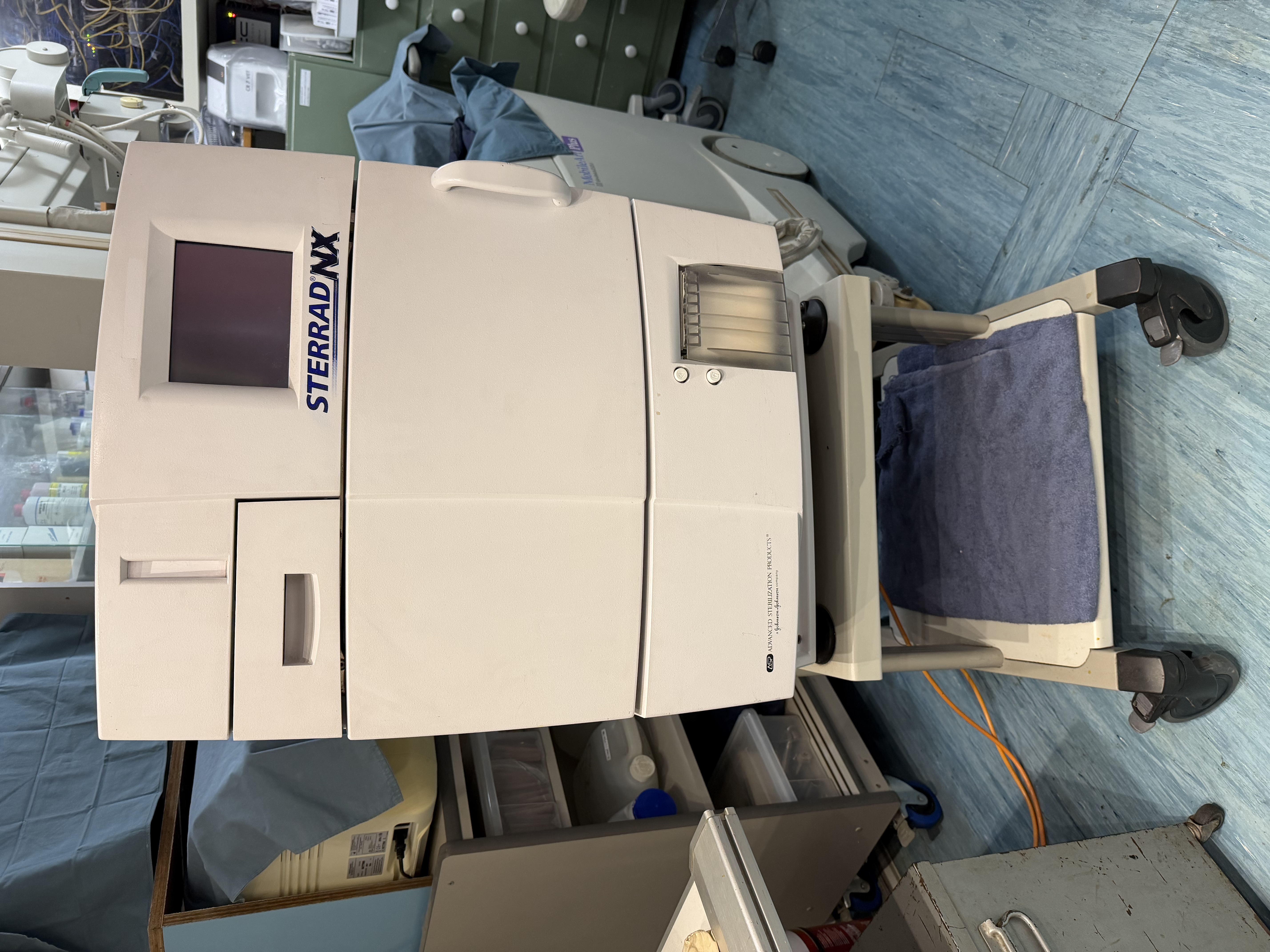
PETCAREVET uses STERRAD NX low-temperature sterilisation technology for appropriate heat- and moisture-sensitive instruments.
This allows suitable equipment to be processed without exposing it to the higher temperatures associated with conventional steam sterilisation.
For the patient, the benefit lies in maintaining access to appropriately processed specialised instrumentation when that equipment is required for diagnosis or treatment.
OXYGEN SUPPORT
Oxygen support is available for patients where clinically indicated, including during recovery from anaesthesia or when illness compromises normal oxygenation.
The objective is straightforward:
provide respiratory support when the patient needs additional oxygen while the underlying clinical problem is being managed.
RECOVERY MONITORING
Our monitoring capability continues beyond the procedure itself.
Equipment is available to support observation during recovery, allowing changes in the patient’s physiological status to be identified and responded to as recovery progresses.
DOPPLER BLOOD PRESSURE
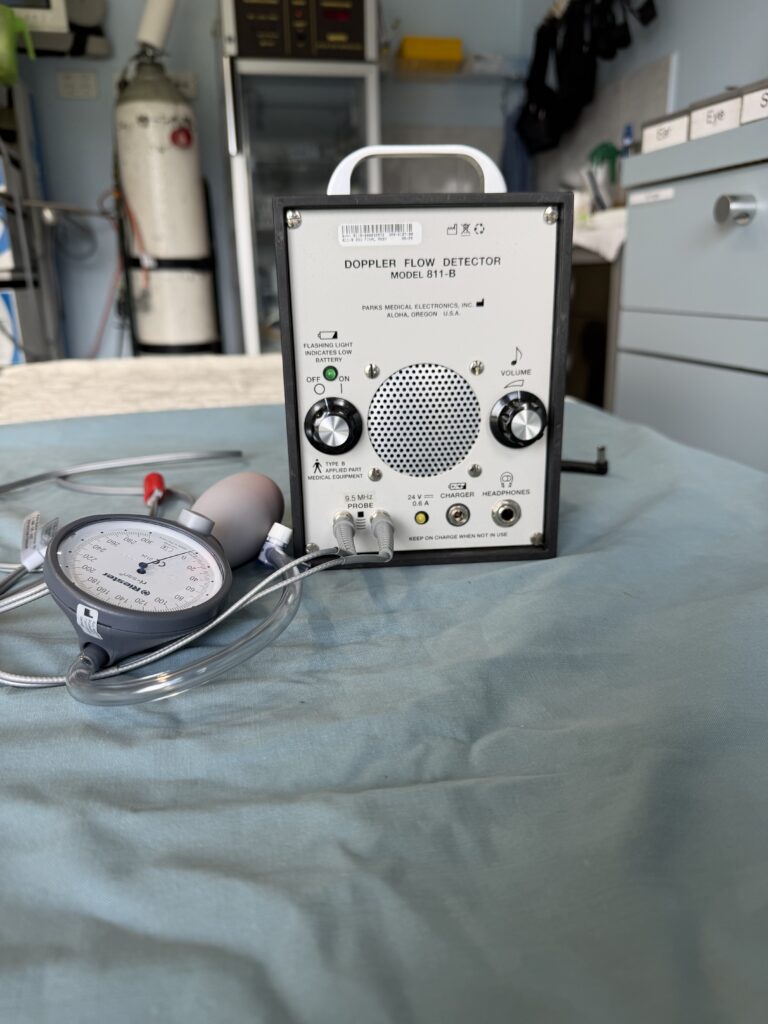
Doppler blood-pressure assessment provides an additional means of evaluating cardiovascular status where blood-pressure measurement is clinically indicated.
It can contribute valuable information during anaesthesia, illness, cardiovascular assessment and ongoing patient monitoring.
THERAPEUTIC TECHNOLOGY
PETCAREVET also uses therapeutic modalities including:
- therapeutic ultrasound
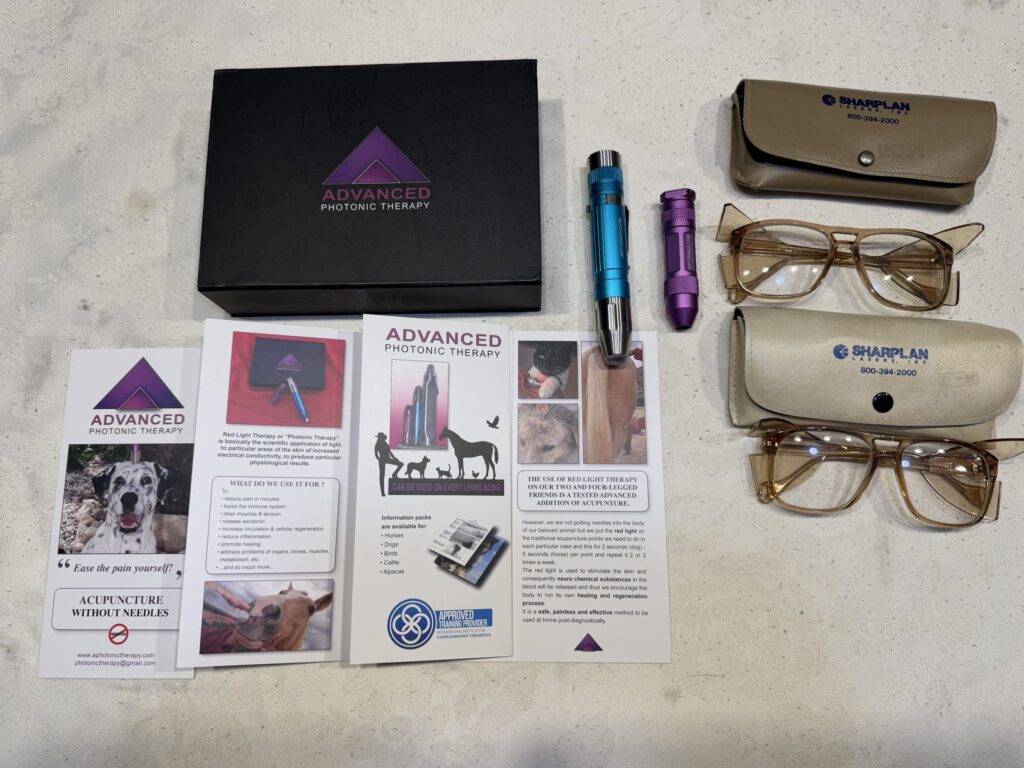
- photonic therapy
These provide additional treatment options where their particular clinical application is appropriate to the individual patient.
THERAPEUTIC ULTRASOUND
Therapeutic ultrasound uses sound-wave energy as a treatment modality for selected soft-tissue and musculoskeletal conditions.
At PETCAREVET-X, it can be incorporated where its particular therapeutic effect is considered appropriate for the individual patient and the clinical problem being treated.
It provides an additional non-invasive treatment option that can complement the broader management and rehabilitation plan.
For the patient, therapeutic ultrasound adds another modality that can be selected according to clinical need.
PHOTONIC THERAPY
Photonic therapy provides another non-invasive therapeutic modality that can be incorporated into the management of selected patients.
At PETCAREVET-X, it is used where the characteristics of light-based therapy are considered appropriate to the individual patient and the condition being treated.
Its role is determined within the broader clinical plan, alongside examination findings, diagnosis, response to treatment and any other therapies being used.
For the patient, photonic therapy broadens the range of treatment options available when its particular clinical application is appropriate.
THE CLINICAL PURPOSE
Sterilisation, oxygen support, monitoring and therapeutic equipment contribute to the same objective:
supporting the patient before, during and after treatment — with the aim of achieving better patient outcomes.
POST-OPERATIVE WARMING SUPPORT
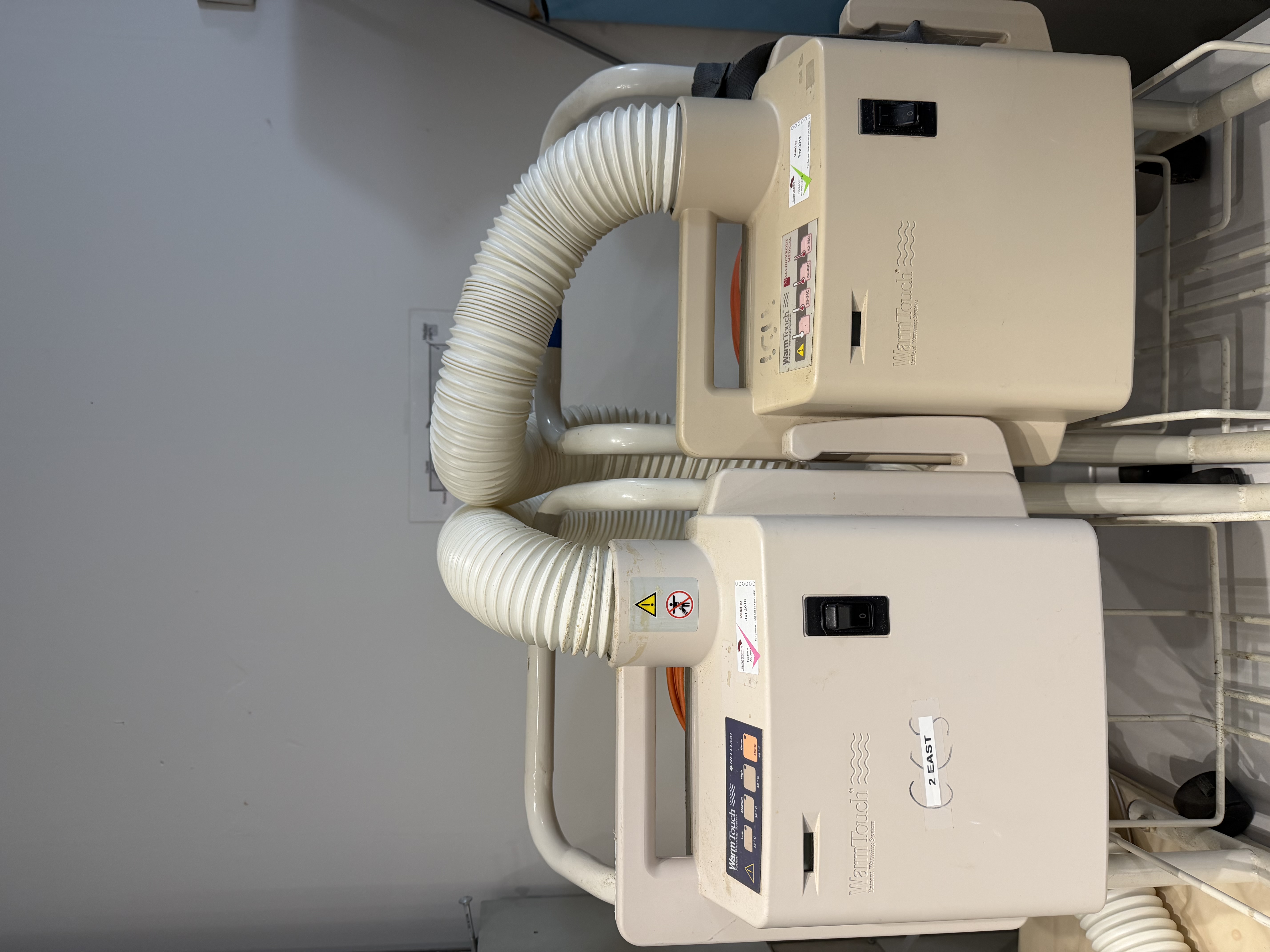
Recovery does not end when the procedure is finished.
At PETCAREVET-X, WarmTouch patient warming systems are used post-operatively to deliver warm air into the recovery cage, helping patients remain comfortably warm as they recover from anaesthesia and surgery.
Maintaining an appropriate body temperature is an important part of post-operative care, particularly while the patient is still recovering from the effects of anaesthesia.
This allows warming support to continue during the recovery period while the patient is monitored and allowed to regain normal body temperature, awareness and comfort.
For the patient, it means that care continues beyond the operating table and into recovery.
POST-OPERATIVE WARMTH → COMFORT → SUPPORTED RECOVERY → BETTER PATIENT CARE.
10. TECHNOLOGY EXTENDS CLINICAL JUDGEMENT
Technology extends clinical judgement by expanding what we can see, measure, investigate and monitor.
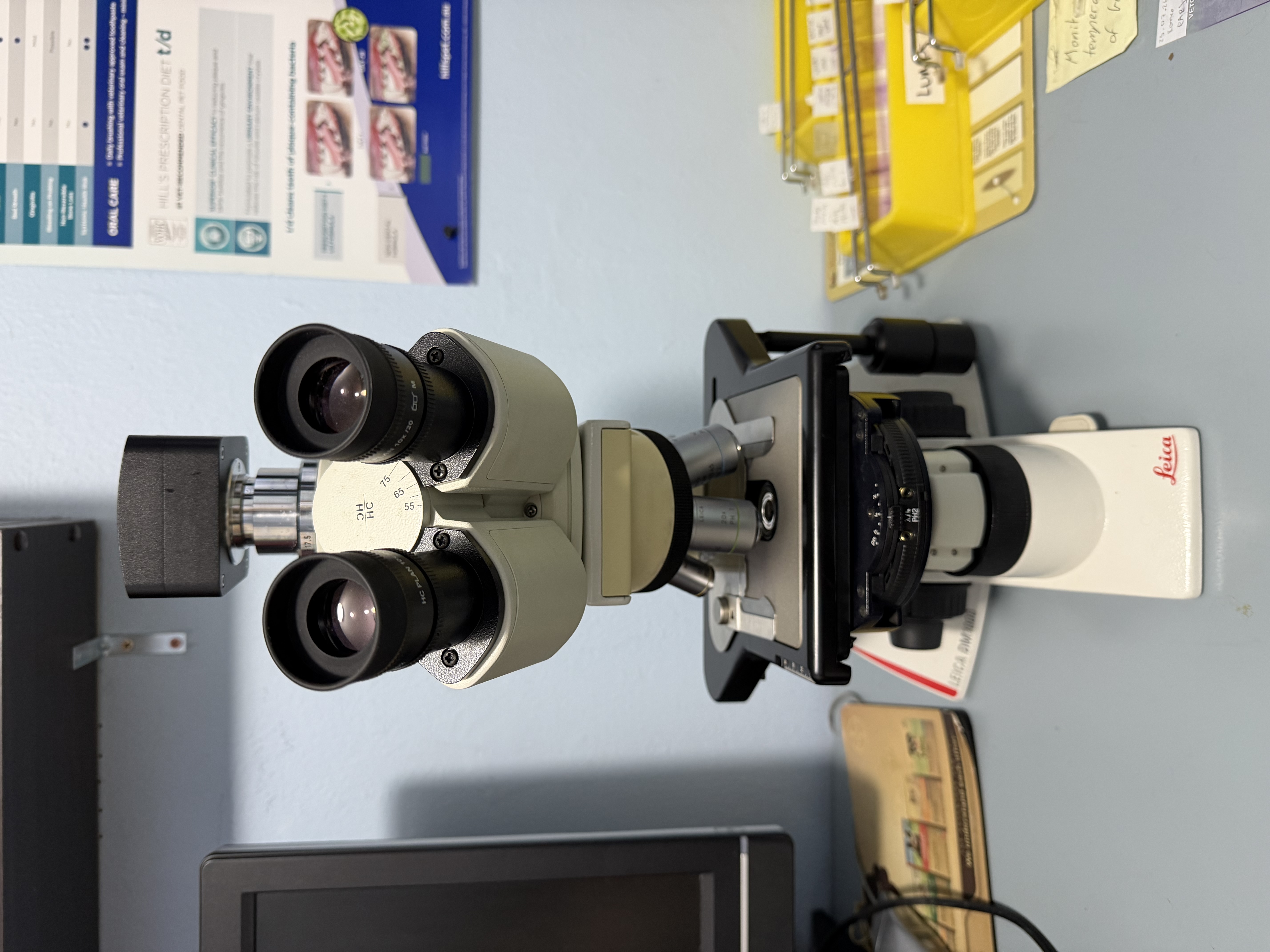
The information obtained from radiography, ultrasound, ECG, endoscopy, microscopy and patient-monitoring equipment must still be interpreted in the context of the individual patient.
That means bringing together:
- clinical history;
- physical examination;
- diagnostic findings;
- response to treatment;
- and accumulated clinical experience.
The value of advanced technology lies in providing better information and greater clinical capability.
Clinical judgement determines what that information means, what should happen next, and what is most appropriate for the patient.
Better information supports better-informed decisions — and better patient outcomes.
11. CONTINUOUS IMPROVEMENT
The technological capability of PETCAREVET continues to evolve.
Equipment continues to be evaluated and incorporated where it can materially strengthen:
- clinical assessment;
- diagnosis;
- treatment;
- anaesthesia;
- patient monitoring;
- surgery;
- recovery;
- and continuing patient care.
That may involve major diagnostic or surgical equipment, or smaller technologies that improve how a particular clinical problem is managed.
We evaluate technology according to the meaningful clinical value it can add for the patient.
Continuous improvement means continuing to strengthen the capability available to support better patient outcomes.
12. WHAT THIS MEANS FOR THE PATIENT
For the patient, the value of advanced technology lies in what it allows us to understand, decide and do with greater clinical confidence.
It can mean:
- seeing abnormalities that cannot be determined from physical examination alone;
- obtaining additional diagnostic information before treatment decisions are made;
- selecting investigations with greater purpose;
- planning treatment with a clearer understanding of the clinical problem;
- monitoring patients more closely during anaesthesia and procedures;
- supporting patients through recovery;
- reassessing when the clinical picture changes;
- and deciding when treatment, further investigation or referral is the most appropriate next step.
The equipment is the means.
The clinical decision remains centred on the individual patient.
Better information supports better decisions.
Better decisions support better treatment.
Better treatment supports better patient outcomes.